

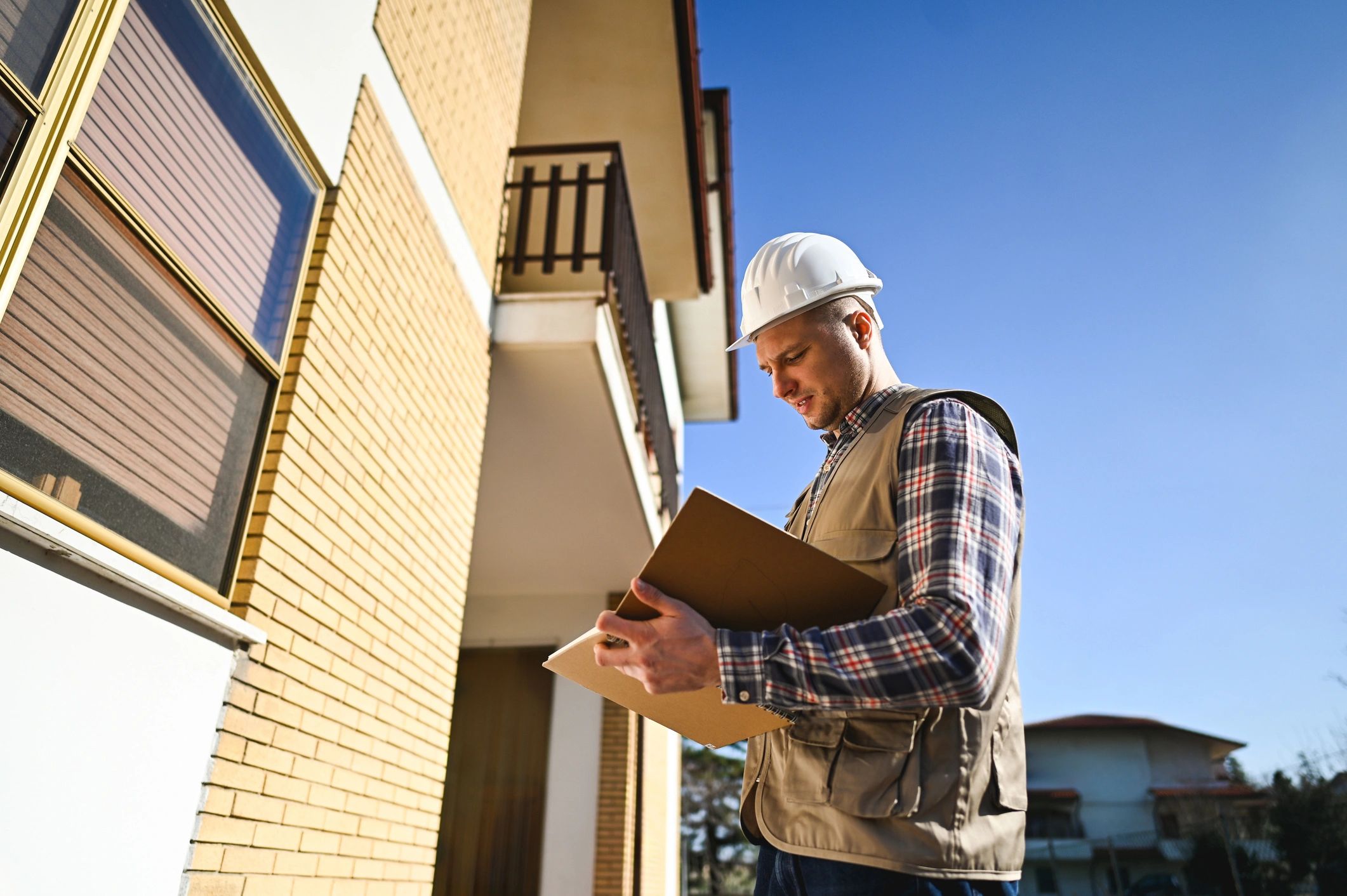
Unlocking the Secrets to a Safer Home
Embarking on a home inspection journey is the first step toward ensuring property safety and long-term stability. Home inspections serve as a comprehensive evaluation of your home's structure, systems, and overall condition. This process not only identifies visible defects, but also uncovers hidden issues that may compromise the integrity of your property. In urban centers or local neighborhoods alike, a thorough inspection can highlight areas that need maintenance, improving both safety and award value.
During this guide, you will learn:
- How to assess structural components such as foundation and roofing.
- Ways to evaluate critical systems like plumbing, electrical, and HVAC.
- Practical tips to prepare for an inspection and interpret results.
Understanding these elements empowers homeowners to make informed decisions, whether you reside in a bustling city or a quiet suburban area. With a clear roadmap of inspection tasks, you are better equipped to address challenges early, ensuring your living space remains a safe haven. This approach not only strengthens your confidence about property investments but also contributes to the overall enhancement of home safety in your community.
Home Inspection: Your Step-by-Step Blueprint
Ready to dive into a thorough home inspection process that leaves no corner unchecked? Follow these sequential steps to guide you from start to finish, ensuring a comprehensive assessment of your property’s safety and structural integrity.
-
Preparation and Planning
- Begin by reviewing previous property records and maintenance logs. Organize any available information to help identify usual weak points.
- Create a checklist that covers both exterior and interior components.
-
Exterior Evaluation
- Walk around the property’s perimeter and assess the condition of the roof, foundation, windows, and siding.
- Look for cracks, water damage, or signs of wear that may indicate underlying issues.
-
Interior Systems Inspection
- Examine vital systems including electrical panels, plumbing setups, and HVAC installations.
- Confirm that safety mechanisms such as smoke detectors and carbon monoxide alarms function properly.
-
Detailed Component Analysis
- Inspect hard-to-reach areas like the attic, basement, and crawl spaces for insulation issues or hidden damages.
- Use local inspection standards as a guide to note any region-specific concerns.
Following these steps ensures a meticulous evaluation, empowering you to address repairs proactively and maintain property safety.
Empower Your Investment with Professional Home Inspections
A thorough home inspection is a crucial step for homeowners and buyers alike, ensuring that every element of your property is safe and sound. Professional inspectors go beyond a surface glance, using industry-standard diagnostics to uncover hidden issues that might not be apparent during a casual walkthrough. By identifying potential problems in structural integrity, electrical wiring, plumbing systems, and HVAC components, you are better equipped to address repairs before they become costly setbacks.
Some key benefits include:
- Early Detection of Deterioration: Catching issues like foundation cracks or water damage early can prevent further complications.
- Informed Decision-Making: Detailed reports help you negotiate repairs or pricing adjustments, ensuring you invest wisely.
- Enhanced Property Safety: Regular inspections provide peace of mind, confirming that your home meets local building codes and safety standards.
- Tailored Local Insights: Experts familiar with regional building trends and environmental factors can offer specific recommendations for your area.
By opting for a professional inspection, you secure not just your immediate comfort but also the long-term value of your property. This proactive approach translates into a safer, more reliable investment for years to come.
Debunking Common Myths: Your Home Inspection FAQ
Q: Are home inspections only needed for older homes?
A: Inspections aren’t limited by age; whether the home is newly built or decades old, a thorough evaluation can reveal hidden issues that may affect property safety and longevity.
Q: Do home inspections catch every minor flaw?
A: No inspection covers every little detail. They focus on major systems and structural integrity so that homeowners can prioritize repairs and ongoing maintenance accordingly.
Q: Can an inspection guarantee a problem-free property?
A: While inspections provide critical insights, they identify significant issues rather than certifying a flawless home. Buyers should still plan for routine upkeep.
Q: Are inspection myths influenced by local conditions?
A: Absolutely. In regions with variable climates or specific building styles, inspectors tailor evaluations to uncover issues unique to those areas.
Q: Does a home inspection replace standard maintenance?
A: Not at all. Inspections are a snapshot of the property’s condition. Regular maintenance and periodic checks remain essential for long-term property safety.
Q: How do inspections help in negotiating repairs?
A: Detailed reports from an inspection empower homeowners to address major red flags with clarity and confidence during buyer negotiations.
7 Essential Ways to Prep Your Property for an Inspection
-
Declutter and Organize:
Start by clearing rooms, basements, and crawl spaces. Remove excess clutter around windows, doors, and access points. A neat environment not only helps inspectors see potential issues but also speeds up the evaluation process. -
Check Basic Systems:
Test electrical outlets, plumbing, and HVAC units. Ensure all systems function properly. Replace or repair any malfunctioning components beforehand to help minimize red flags during the inspection. -
Address Minor Repairs:
Fix small issues like leaky faucets, cracked tiles, or chipped paint. These easy fixes can improve the overall impression of the home and prevent inspectors from noting minor deficiencies. -
Document Maintenance Work:
Organize records of past repairs and routine maintenance. Having documentation on hand offers inspectors clear history and reassurance that the property has been properly cared for. -
Ensure Easy Access:
Keep key areas, such as attics and utility rooms, unobstructed. Clear access allows for a thorough and efficient inspection. -
Test Safety Devices:
Inspect smoke detectors, carbon monoxide alarms, and security systems. Functioning safety devices are crucial for a compliant and secure home. -
Be Present and Prepared:
Plan to be available during the inspection to clarify details and answer questions. This proactive involvement helps address concerns and ensures a smooth evaluation process.
Securing Your Investment for the Future
In wrapping up this deep dive into home inspections, it’s clear that understanding the nuances of property safety can transform your approach to owning a home. A well-conducted inspection not only unveils hidden hazards but also lays out a clear plan for sustainable maintenance and timely repairs. Key takeaways include the importance of a detailed structural assessment, systematic evaluations of plumbing and electrical systems, and proactive documentation of potential issues before they evolve.
Consider the following actionable steps:
- Review your property’s history and existing maintenance records.
- Develop a checklist tailored to your local conditions to ensure nothing is overlooked.
- Schedule regular inspections to catch problems early.
- Engage with qualified professionals to obtain unbiased assessments.
By consistently following these steps, you fortify your investment and secure a safe living environment. Embrace the process of continuous improvement and take charge of your home’s longevity. Your proactive measures today pave the way for a safer, more resilient property tomorrow—empowering you to navigate the complexities of property safety with confidence.